
Key Takeaways
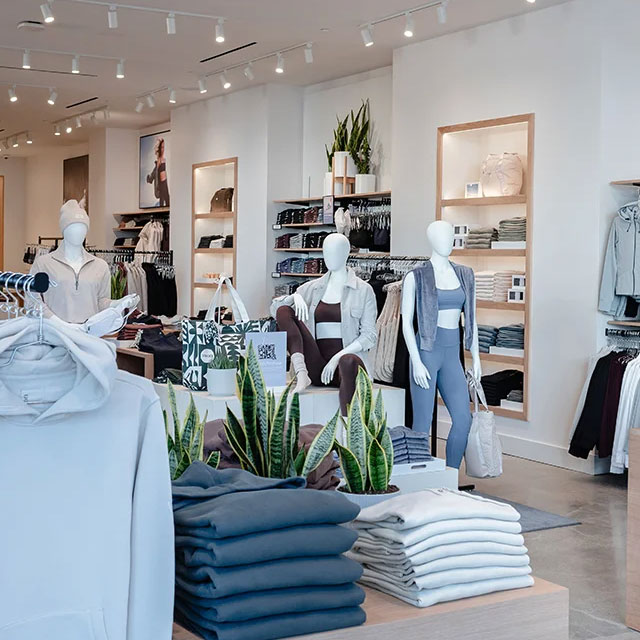
Custom store fixtures help shape brand perception by creating retail environments that communicate quality, consistency, and customer experience from the moment shoppers enter the space.
Successful fixture programs combine multiple fixture types such as wall systems, display cases, gondolas, counters, endcaps, and branded displays to create cohesive retail environments.
Material selection plays a critical role in fixture durability, aesthetics, functionality, and long-term ROI, with common materials including wood, metal, glass, acrylic, wire, and solid surface.
The custom store fixture process includes project kickoff, design and engineering, manufacturing, logistics, warehousing, delivery, and installation, requiring close collaboration between retailers and manufacturing partners.
Choosing the right fixture manufacturer depends on experience, in-house engineering capabilities, manufacturing scale, value engineering expertise, and the ability to manage logistics and installation across large retail rollouts.
What does a retail environment communicate about a brand before a customer touches a single product? In the competitive landscape of modern retail, the fixture environment is the brand, not an afterthought. From the moment a shopper enters a space, the physical structures surrounding them set expectations. Custom store fixtures act as the silent ambassadors of a brand’s identity, signaling quality, investment, and attention to detail.
The fixture environment sets shopper expectations before……….
Sources include:
Agility Retail Group
Be the first to comment